
Modern cuisine invites us to be more aware of the waste we generate and to look for creative ways to make the most of all the ingredients. One of the most undervalued resources in our kitchen is onion peels.
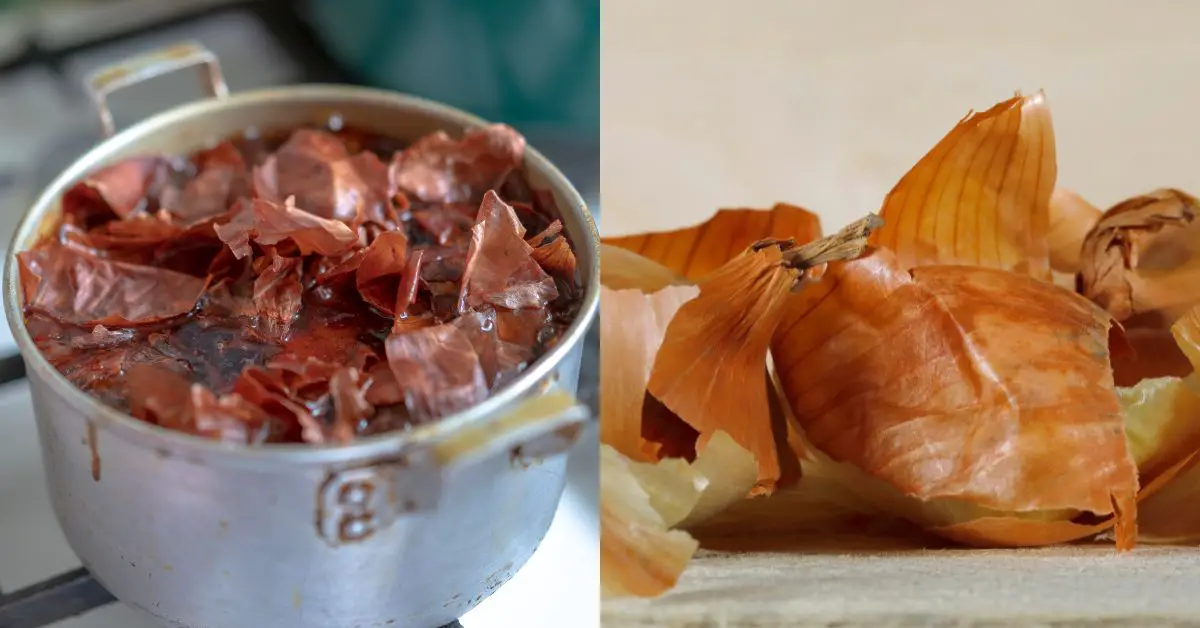
Often, we discard them without knowing that they hide endless benefits for both the garden and for beauty and more. In this article, we’ll explore how onion peels can be an unexpected and valuable ally in your home.
Benefits of using onion peels
For the garden
Onion peels can be an excellent addition to your garden, providing nutrients and acting as a natural pest repellent.
1. Natural fertilizer: Onion peels are rich in nutrients such as potassium, calcium, iron, magnesium, and copper. When decomposed, these nutrients are released into the soil, improving its quality and aiding healthy plant growth. You can make a tea from onion peels by boiling them in water and, once cooled, water your plants with this nutritious liquid.
2. Pest repellent: The strong smell of onions can act as a natural repellent against common garden pests, such as aphids and spider mites. Simply place onion peels around your plants or prepare a solution with water and onion peels to spray on the leaves.
For beauty
Onion peels can also be a valuable resource in your beauty routine, bringing benefits to your skin and hair.
1. Facial toner: Onion peels contain antioxidants that help fight free radicals, responsible for premature skin aging. You can prepare a homemade facial toner by boiling the peels in water, letting them cool and applying the liquid with a cotton ball to clean skin.
2. Hair treatment: Using onion peels on the hair can strengthen it and improve its shine. Boil the peels in water, let the liquid cool down, and use it as the last rinse after washing your hair. This treatment can also help reduce dandruff and promote a healthy scalp.
Other benefits
In addition to their applications in the garden and beauty, onion peels have other practical uses that you may not have been aware of.
1. Natural coloring: Onion peels can be used to dye Easter fabrics and eggs naturally. Boil the peels in water and submerge the object you want to dye. Depending on the length of your bath, you can get a range of colors ranging from pale yellow to deep brown.
2. Improved compost: Adding onion peels to your compost bin can enrich the final compost with additional nutrients, speeding up the decomposition process and improving the quality of the compost.
3. Home remedy: In traditional medicine, onion peels have been used to prepare infusions that help relieve cold and flu symptoms, thanks to their anti-inflammatory and antibacterial properties.
In conclusion, onion peels are a valuable and multifaceted resource that can transform your home and garden in surprising ways. The next time you peel an onion, think twice before discarding the peels and consider how you can take advantage of its hidden benefits.