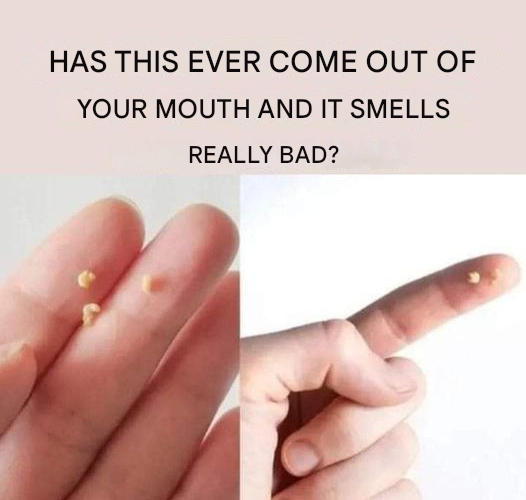
Bad breath, also known as halitosis, is a common issue that affects millions of people around the world. While it’s something that can cause embarrassment and discomfort, understanding the main causes of bad breath and taking the proper precautions can help you keep your breath fresh and your confidence intact.
What Causes Bad Breath?
Bad breath can stem from several sources, ranging from poor oral hygiene to underlying health issues. Here are some of the primary causes of bad breath:
1. Poor Oral Hygiene
The most common cause of bad breath is poor oral hygiene. When you don’t brush or floss your teeth regularly, food particles can remain in your mouth, leading to bacterial growth and a buildup of plaque. These bacteria can produce sulfur compounds, which result in that unpleasant odor. If you don’t clean your tongue properly, bacteria can also accumulate there, contributing to bad breath.
Tip: Brush your teeth at least twice a day and floss daily. Don’t forget to clean your tongue using a tongue scraper or the back of your toothbrush.
2. Dry Mouth (Xerostomia)
Saliva plays a crucial role in washing away food particles and bacteria from your mouth. When your mouth is dry, due to dehydration, certain medications, or medical conditions, it can’t do its job properly, leading to a dry mouth. This condition can cause bad breath, as bacteria thrive in a dry, low-saliva environment.
Tip: Stay hydrated by drinking plenty of water throughout the day. Chewing sugar-free gum or sucking on sugar-free candies can also stimulate saliva production.
3. Food and Beverages
Certain foods, such as garlic, onions, coffee, and spicy dishes, can leave a lingering odor on your breath after consumption. This happens because the food’s compounds are absorbed into your bloodstream and then released through your lungs, causing bad breath.
Tip: While you can’t always avoid these foods, you can reduce their impact by chewing sugar-free gum or drinking green tea, which helps freshen your breath and neutralize odors.
4. Smoking and Tobacco Use
Tobacco products, including cigarettes and cigars, not only contribute to bad breath but also stain your teeth and damage your gums. The chemicals in tobacco linger in your mouth, creating an unpleasant odor. Additionally, smoking can increase your risk of gum disease, which can also contribute to bad breath.
Tip: If you smoke, consider quitting. Using tobacco-free products or seeking advice from a healthcare professional can help you reduce your bad breath.
5. Gum Disease and Tooth Decay
Gum disease, or periodontal disease, is a serious condition that can lead to bad breath. It occurs when bacteria infect the gums and cause inflammation, leading to gum recession and tooth loss. Cavities and untreated tooth decay can also produce odors as they provide a breeding ground for bacteria.
Tip: Maintain regular dental visits to check for signs of gum disease or tooth decay. Your dentist can recommend the best treatment to prevent and manage these conditions.
6. Medical Conditions
In some cases, bad breath can be a sign of an underlying medical condition. These may include gastrointestinal issues, such as acid reflux, infections, or more severe conditions like diabetes, liver disease, or kidney problems. If you experience persistent bad breath, it may be time to consult your doctor to rule out any serious health issues.
Tip: If your bad breath is not improved by good oral hygiene or persists over time, consult a healthcare provider to investigate potential medical causes.
Precautions to Prevent Bad Breath
Now that you know the main causes of bad breath, here are a few simple steps you can take to keep your breath fresh:
1. Brush and Floss Regularly
Brushing your teeth twice a day and flossing once a day will help prevent the buildup of food particles and plaque, which can cause bad breath. Don’t forget to clean your tongue, as bacteria can accumulate there, too.
2. Stay Hydrated
Drinking plenty of water helps prevent dry mouth, a common contributor to bad breath. It also helps wash away food particles and bacteria.
3. Avoid Certain Foods and Beverages
Certain foods like garlic, onions, and coffee can cause bad breath. While you don’t need to cut them out entirely, consider using mouthwash or chewing gum afterward to reduce their effects.
4. Quit Smoking
Quitting smoking will not only improve your breath but will also protect your overall health. Tobacco products contribute to gum disease, tooth decay, and dry mouth, all of which can worsen bad breath.
5. Visit Your Dentist Regularly
Regular dental check-ups are essential to detect any issues with your gums or teeth. Your dentist can treat gum disease, cavities, and other problems that contribute to bad breath.
6. Manage Medical Conditions
If you have a medical condition that may be contributing to bad breath, such as diabetes or acid reflux, be sure to follow your healthcare provider’s advice for managing the condition.
Conclusion
Bad breath is a common but preventable issue. By practicing good oral hygiene, staying hydrated, avoiding tobacco, and addressing any underlying medical conditions, you can significantly reduce the occurrence of bad breath. If your bad breath persists despite these efforts, it’s important to consult with a healthcare provider to identify any deeper issues.
If you found this information helpful, don’t forget to like and share this post! Help spread the word so others can benefit from these tips. Stay fresh and confident, and remember to take care of your oral health!