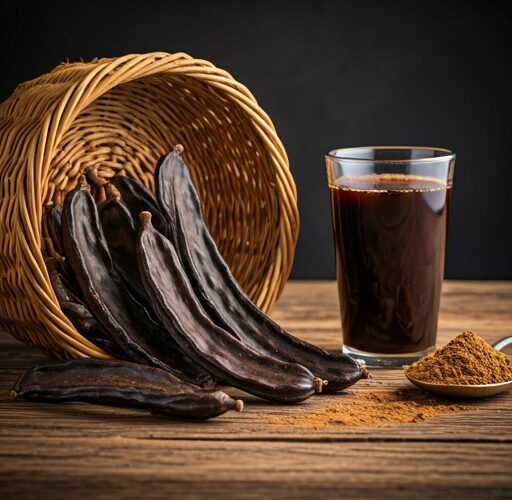

In the wide world of healthy fruits and foods, there are hidden gems that deserve to be rediscovered. One of these treasures is carob, an ancient fruit, almost forgotten, but with exceptional nutritional properties.
This fruit, so dear to our grandparents, offers many health benefits, and its revival is a perfect example of how culinary traditions can be a valuable source of wisdom.
In this article, we will explore the benefits of carob and why we should rediscover it and include it in our diet.
Origin and appearance of carob
Carob, known scientifically as Ceratonia siliqua, is the fruit of the tree of the same name (carob) belonging to the Fabaceae family. This tree is native to the Mediterranean basin and western Asian regions.
Carob is a pod-shaped fruit, similar in appearance to a bean, with a sweet, fibrous pulp and seeds inside.
Nutritional value of carob
Carob is a food rich in nutrients essential for health. Its fruits contain a wide range of vitamins and minerals, including vitamin B, calcium, iron, magnesium, potassium, and zinc.
Plus, it’s a natural source of dietary fiber, protein, and antioxidants.
Health Benefits
- Digestive support: Thanks to its high fiber content, carob is an excellent ally for digestive health. Fiber helps improve bowel regularity, prevent constipation, and support the proper functioning of the digestive system.
- Weight control: The fiber in carob helps to promote a feeling of fullness, reducing appetite. This can be helpful for weight control and obesity management.
- Heart Health: Carob is cholesterol-free and rich in potassium, which is known to help lower blood pressure. Consuming carob regularly can help keep your heart healthy and reduce the risk of cardiovascular disease.
- Immune support: Thanks to the presence of antioxidants such as polyphenols, carob can help strengthen the immune system and protect cells from oxidative damage caused by free radicals.
- Cholesterol Control: The soluble fiber found in carob can help lower LDL cholesterol levels in the blood, helping to maintain a healthy cardiovascular system.
- Source of nutrients: Carob is a good source of calcium, which is essential for bone health, and iron, which helps prevent iron deficiency anemia.
How to Eat Carob
Carob can be consumed in different forms. Its dried fruits, called carobs, can be eaten as a snack or used as an ingredient in desserts and pastries.
In some traditions, carob is ground into a powder, which can be used as a substitute for cocoa, as it does not contain caffeine or theobromine.
Carob is a versatile and nutritious fruit that offers many health benefits. Its rediscovery reminds us that our grandparents’ culinary traditions can often be a valuable source of knowledge about health and wellness.
So, the next time you get the chance, try including carob in your diet and enjoy its many benefits for overall well-being.