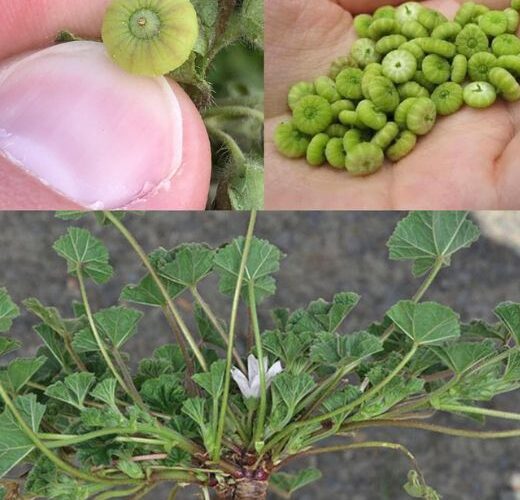
Malva neglecta (common mallow) and Malva sylvestris (high mallow) are two plant species from the Malvaceae family that have long been cherished for their health benefits. With a strong presence in traditional medicine, these plants continue to be relevant in modern wellness practices. Their anti-inflammatory, digestive, and immune-boosting properties make them valuable allies in maintaining overall health and well-being.
Health Benefits of Malva Neglecta (Common Mallow)
Common mallow is widely known for its soothing and healing properties, which can benefit various aspects of health. Here’s a look at its key advantages:
- Digestive Health: Common mallow contains mucilage, a gel-like substance that soothes the gastrointestinal tract. It’s particularly useful for alleviating symptoms of indigestion, gastritis, and irritable bowel syndrome (IBS). Drinking a warm tea made from its leaves and flowers can protect and calm the stomach lining, aiding in digestion and reducing inflammation.
- Respiratory Relief: This plant is also beneficial for respiratory health. Its expectorant properties help clear mucus and ease congestion. Whether you’re dealing with a common cold, bronchitis, or a sore throat, common mallow tea can provide comfort by soothing irritated mucous membranes.
- Anti-inflammatory Effects: Thanks to its anti-inflammatory compounds, common mallow can help reduce swelling and pain, especially in cases of arthritis or muscle aches. Whether used internally as tea or externally as a poultice, common mallow offers significant relief for inflammatory conditions.
- Skin Care and Healing: Common mallow is highly regarded for its ability to heal skin irritations and wounds. Its high mucilage content hydrates and protects the skin, helping to alleviate eczema, dermatitis, and minor burns.
- Immune System Support: Rich in vitamins A and C, as well as minerals like magnesium and iron, common mallow helps bolster the immune system. Its antioxidant properties protect against oxidative stress, which can damage cells and weaken the body’s defenses.
Health Benefits of Malva Sylvestris (High Mallow)
High mallow, closely related to common mallow, shares many of the same therapeutic qualities but offers unique advantages for different health concerns:
- Anti-inflammatory Properties: High mallow’s anti-inflammatory action makes it a potent remedy for reducing pain and swelling, particularly for conditions like sore throats, gastrointestinal inflammation, and irritated mucous membranes. Its flavonoids and other bioactive compounds make it a powerful tool in managing inflammation.
- Respiratory Support: Like its cousin, high mallow is an excellent expectorant. It helps loosen phlegm, making it easier to expel mucus from the respiratory system. High mallow is effective in treating symptoms of colds, bronchitis, and asthma.
- Skin and Wound Healing: The mucilaginous content of high mallow is also beneficial for skin care. It can accelerate the healing process of wounds, insect bites, burns, and conditions like eczema or dermatitis. Applying a poultice or cream made from high mallow can provide immediate relief from skin inflammation and irritation.
- Digestive Health: High mallow is a gentle and effective remedy for soothing the digestive system. Its mucilage helps coat the lining of the stomach, alleviating discomfort caused by gastritis, ulcers, and indigestion.
- Urinary Tract Health: High mallow also supports urinary health by promoting healthy urination and aiding in the prevention of urinary tract infections (UTIs). Its diuretic properties help flush out toxins and bacteria, maintaining overall urinary system health.
How to Use Malva Neglecta and Malva Sylvestris
To make the most of the health benefits of both common and high mallow, consider the following methods:
- Teas and Infusions: Steep 1-2 teaspoons of dried leaves or flowers in boiling water for 10-15 minutes to make a soothing tea. For a more potent infusion, allow a handful of fresh or dried leaves to steep overnight in boiling water. This infusion can be used for skin applications or as a digestive aid.
- Poultices for Skin Care: Crush fresh leaves of either mallow species into a paste and apply directly to the skin. This is especially effective for treating eczema, burns, and insect bites. The poultice helps reduce inflammation and accelerates wound healing.
- Storage and Preservation: To preserve the therapeutic properties of these plants, dry the leaves and flowers by spreading them in a well-ventilated area away from direct sunlight. Once dry, store them in an airtight container in a cool, dark place.
Why You Should Include Malva in Your Wellness Routine
Incorporating Malva neglecta and Malva sylvestris into your daily wellness routine can offer a natural, holistic approach to health. From digestive support and respiratory relief to skin care and immune boosting, these plants provide a variety of benefits that can enhance your well-being. Whether through teas, poultices, or topical applications, the gentle giants of the plant world are a testament to nature’s power in promoting health.
Tips for Safe Use
While Malva neglecta and Malva sylvestris offer numerous health benefits, it’s important to use them responsibly. Always consult with a healthcare provider before starting any new herbal remedy, especially if you are pregnant, nursing, or taking other medications. This ensures that you can safely incorporate these plants into your wellness regimen without any adverse effects.
If you found this article helpful, don’t forget to like our page, subscribe for more wellness tips, and share it with your friends to spread the word about these powerful, natural remedies!