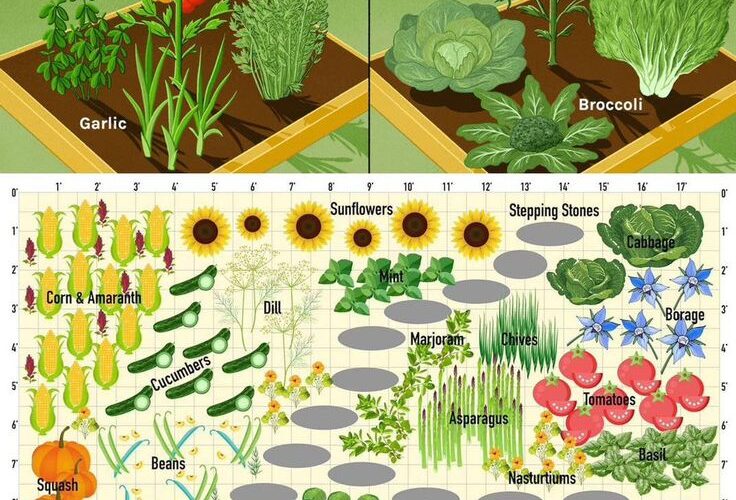
In the garden symphony, not all plants go well together. The concept of companion planting has been around for centuries and guides gardeners on how certain combinations of plants can mutually benefit or hinder the growth of each plant. A classic example is the relationship between tomatoes and cucumbers, contrary to what one might think, these popular plants do not complement each other well. This article delves into the secrets of companion planting, focusing on why tomatoes and cucumbers are best separated and offering ideas for more harmonious plant partnerships.
Understanding plant companionship
Companion planting involves strategically placing different crops near each other to control pests, pollinate, provide habitat for beneficial insects, maximize use of space, and increase crop productivity. This method is anchored in ecological balance and biodiversity.
The rivalry between the tomato and the cucumber
While tomatoes and cucumbers are summer favorites in the kitchen, they aren’t very friendly neighbors in the garden. Here’s why :
- Different Water Needs: Tomatoes and cucumbers have different water needs. Cucumbers need consistent humidity to stay crisp and avoid bitterness, while tomatoes prefer drier conditions once established. Overwatering tomatoes to satisfy cucumbers can lead to waterlogged soil and increase the risk of root diseases in tomatoes.
- Competition for space and light: Cucumbers, which are vigorous climbing or trailing plants, can easily outshine tomatoes, limiting their exposure to sunlight. Sunlight is crucial for tomato health and fruit development.
- Risk of disease transmission: Both plants are susceptible to similar diseases, such as powdery mildew and bacterial wilt. Planting them together can make it easier for these problems to spread quickly from one to another.
Better companions for tomatoes and cucumbers
For the tomatoes:
- Basil: Enhances flavor and repels flies and mosquitoes.
- Marigold: Repels nematodes and other garden pests.
- Carrots: Loosen the soil around tomatoes, improving air and water circulation.
For the cucumbers:
- Radish: Repels cucumber beetles and other pests.
- Sunflowers: Serve as a natural trellis for cucumber vines and attract pollinators.
- Lettuce: Takes advantage of the shade provided by cucumber plants, providing a cooler root environment.
How to implement companion planting in your garden
- Plan the layout of your garden: Consider the needs of each plant, particularly in terms of sunlight, water and space. Arrange companion plants so that they meet these needs without competing with each other.
- Rotate crops annually: Avoid planting the same crop family in the same location year after year to reduce the buildup of diseases and pests.
- Observe and adapt: Monitor plant health and growth. If certain combinations aren’t thriving, consider changing your planting strategy.
The relationship between tomatoes and cucumbers in the garden reminds us that it is important to understand the interactions between plants. By adopting the principles of companion planting, gardeners can create a more harmonious, more productive and healthier ecosystem. Remember, in the world of gardening, knowing who to plant next to whom can be just as crucial as knowing how to plant.