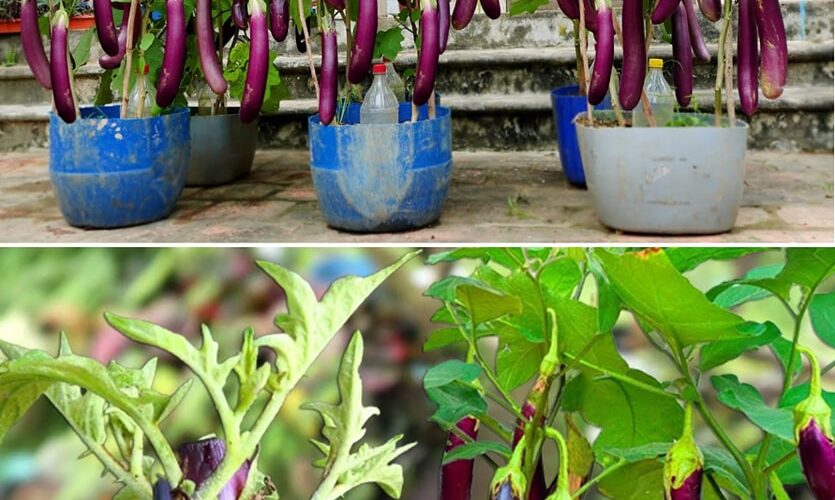
Are you a fan of eggplants but lack space in the outdoor garden? Don’t worry; You can enjoy a bountiful harvest of this delicious and versatile vegetable at home, even if you don’t have a traditional garden. In this article, weesll explores how to grow eggplants with high yields in limited space or indoors. With the right techniques and a little TLC, you can have an abundant supply of eggplants year-round.
Choose the Right Eggplant Variety The first step to successfully growing eggplants indoors is selecting the right variety. Compact or dwarf eggplant varieties are ideal for limited space. These varieties are designed to thrive in containers or smaller garden areas. Some popular varieties of compact eggplants include “Patio Baby,” “Bambino,” and “Fairy Tale.” These plants are suitable for indoor or container gardening.
Select the Perfect Container When growing eggplants indoors or on a small patio, choosing the right container is crucial. Opt for containers that are at least 5 gallons in size, providing ample space for the plant to grow and develop a strong root system. Make sure your containers have good drainage to avoid waterlogged roots, which can cause plant stress and disease.
Provide Adequate Light Eggplants thrive in full sunlight, so it is essential to provide them with sufficient light when grown indoors. Place your containers near a south-facing window where they can receive at least 6-8 hours of direct sunlight each day. If natural light is insufficient, consider using grow lights to supplement your light requirements. Place the grow lights about 12-18 inches above the plants and adjust the duration to mimic natural daylight.
Using Quality Potting Soil Select a high-quality potting mix designed specifically for vegetables. This ensures that your eggplants receive the essential nutrients they need to flourish. Well-drained soil is vital to prevent root rot, so avoid heavy soils that retain water.
Regular Watering and Fertilizing Eggplants prefer consistent moisture levels, so water your plants regularly to keep the soil evenly moist. However, avoid overwatering as this can lead to root rot. To determine when to water, stick your finger about an inch into the soil; If it feels dry at that depth, it’s time to water.
Fertilize your eggplants with a balanced, water-soluble fertilizer every two to three weeks during the growing season. Follow package directions for correct dilution and application method.
Pruning and Support To encourage bushy growth and higher yields, consider pruning your eggplant plants. Pinch the growing tips when they reach about 12 inches in height. This will promote the development of side branches and more fruit stems.
Eggplants can become heavy with fruit, so they provide support to prevent the plants from bending or breaking under the weight. Stake or cage your plants as they grow to keep them upright.
Harvesting Your Eggplants Once your eggplants reach their mature size and have a shiny appearance, it is time to harvest. Use a sharp knife or pruning shears to cut the eggplants from the plant. Be gentle to avoid damaging the stems or the rest of the