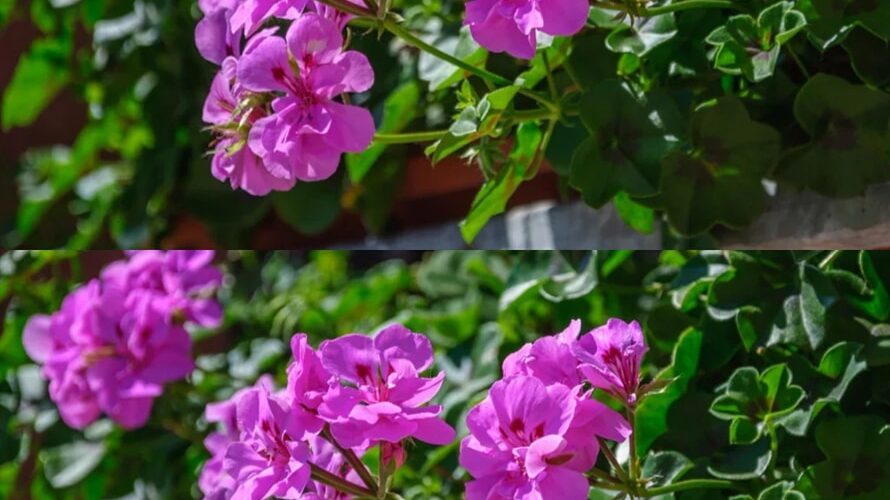
Geranium lovers should be especially careful when the leaves begin to dry out and turn yellow during the winter. If neglected, there is a risk that the plants will die very soon.
Geraniums (Pelargonium) are common sights on our windows, and it’s not hard to see why. They are undemanding plants and, if fertilized correctly, flower profusely for a long time. However, problems often arise during the wintering phase. We don’t always have access to a fresh, bright cellar, which is necessary for winter survival. And even if we have it, sometimes we forget to take care of it properly, causing irreparable damage to the plants. Fortunately, there is a simple procedure to save them.
How to Face Winter with Geraniums
Once the season on the balcony is over, it would be a shame to throw the geraniums away immediately. It is in fact possible to easily overwinter these plants. They should be placed in cool, bright rooms with an optimal temperature of around 5-10 degrees Celsius. If the temperature is higher, the plants will simply continue to grow, leading to weak shoots often attacked by pests and diseases, with the exception of large-flowered geraniums.
These charming flowers tolerate a slightly higher temperature during the dormant period, approximately between 12 and 15 degrees Celsius. Pots should be placed in well-lit places during the day. Lack of light combined with excess humidity (since the soil should never dry out completely) can lead to the development of fungal pathogens, recognizable by mold spots on the leaves.
How to Save a Neglected Geranium
Geraniums can be overwintered in the pots in which they were grown on the balcony. It is not necessary to change the substrate, but wait until spring to do so. However, don’t forget to put a thicker layer of drainage on the bottom to avoid waterlogging around the roots. If you don’t have any, place the pots on a saucer with pebbles. Sometimes, all these precautions are not enough, and the plants become dry and unattractive.
No need to worry, a skillful procedure can still save them. First, bring the neglected plant indoors (it would be too cold outside), place it in a tub and remove it from the pot. Gently shower the plant with warm water to eliminate any overwintering parasites that could cause further damage. Next, carefully examine the root and remove any dead or brown roots.
Geranium Root Care
These roots, in fact, rot and could worsen the health of the plant. Sprinkle larger cut wounds with charcoal. Prepare a growth stimulant (commercial ones or even cinnamon or aloe vera juice can be useful) and immerse the plant in it for 60 minutes. In the meantime, take care of the pot – wash it with a disinfectant and fill it with clean soil with a pH of around 5.5, ideal for geraniums. Don’t forget good drainage.