Graduated in human sciences, passionate about photography, curious about cooking;…
Rosemary: never dry again. Gardener tricks to make it lush!
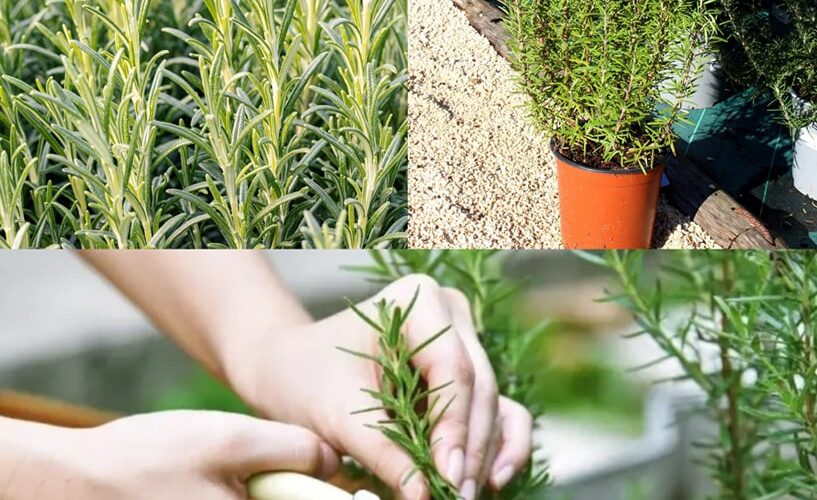
Rosemary is one of the most used aromatic plants in the kitchen, but also for health and beauty. If you have land in the countryside, you will certainly have an easier time growing this plant, as it grows almost spontaneously. If you live in the city you can plant it in a pot, but it is more difficult to keep it healthy.
Rosemary: never dry again. Gardeners’ trick to make it lush!
Rosemary needs direct natural light, but if the sun is strong it is best not to expose the plant to the rays for a long time, because you risk burning the leaves.
In hot periods it is best to look for a semi-sunny corner, with long periods in the shade; In medium-hot or cold periods, a position with the maximum possible radiation will be appropriate.
The temperature
Rosemary can adapt to both heat and cold. but in reality the suitable climate would be temperate and warm. It can hardly tolerate hail, frost and sudden changes in temperature.
Moisture
Native to the entire Mediterranean Sea area and therefore also accustomed to drought, this plant does not require much humidity and normal watering will suffice.
It can also grow well in a pot, but it’s best to plant it directly in the ground, where it will have room to thrive much more.
Watering rosemary: how much, when and how
Another important care for rosemary is watering, which must be well dosed. Although there are different systems, for plants in the ground or in pots, the most suitable for the care of aromatic herbs is the drip system, which allows you to control very well whether the water is in the right quantity, never excessive.
In any case, good drainage is also very important, because if the rosemary were to become excessively waterlogged it could die. When transplanting into pots, you will need to use suitable potting soil and place some rocks in the bottom, near the holes, to ensure that water penetrates and does not get trapped and drown the roots.
Dry yellow leaves and rosemary flowers, here’s what to do!
It is advisable to prune rosemary when you notice that its leaves and flowers are dry or yellowed, when it grows little or when its parts are infested with parasites, such as aphids or scale insects.
The ideal is to wait for the end of flowering and cut just below the part to be eliminated, avoiding removing healthy branches.
Happy green thumb!