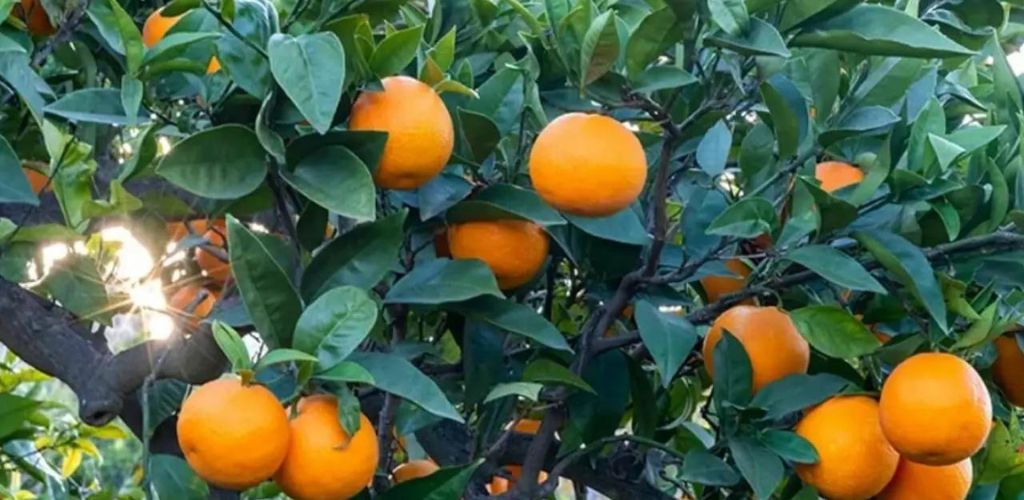
A ripe orange produces a large number of creamy-white, oblong seeds that can be used to grow new orange trees ( Citrus sinensis L.). The seeds or pips germinate easily without pretreatment and will quickly produce lush evergreen foliage. Orange trees grown from seed grow very slowly with most taking seven to eight years to bear fruit.
seed preparation
Orange seeds start to lose their viability as soon as you remove them from the fruit, so make sure you are ready before cutting the orange. Take the seeds of a fully ripe fruit with a nice orange color and no trace of green. Harvest seeds from healthy, blemish-free fruits with no signs of rot or mold. Use at least four orange seeds to increase the chances of successful germination, and rinse them well under clean, cold water to remove any residual sugars. Spread the orange seeds out on a paper towel to dry while you prepare the pots for germination.
Tips for planting
Proper water balance and planting depth are essential for successful germination of orange seeds. Use a clean 6- to 10-cm pot with at least two drainage holes in the bottom and sterile potting soil made from equal parts crushed peat and fine-grained perlite. Fill the pot to 1cm from the top with the soil mix and place two seeds on the surface near the center, about 1cm apart. Cover the seeds with a 0.5 to 1 cm layer of potting soil. Spray the medium with water to settle everything.
Care during germination
Orange seeds need temperatures above 21°C to germinate successfully. Place the pots on a germination mat or in a naturally warm location, such as on top of a refrigerator or near a water heater. Place a sheet of plastic wrap over the pot to retain heat, but keep the edges loose to allow excess moisture to escape. Keep the soil mix evenly moist, but allow the surface to dry out slightly before watering again. Most healthy orange seeds germinate in 7-10 days when kept warm, but some can take much longer. Once the sprouts emerge, remove the plastic wrap and move the pots near a west or south facing window with at least four hours of sunlight a day.
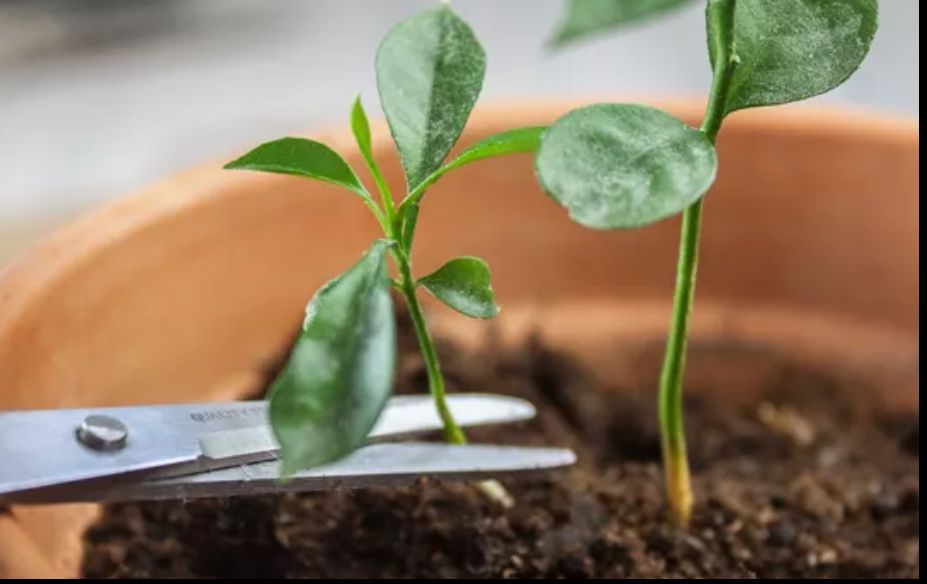
The selection of seedlings.
Orange trees produce two different types of seedling shoots: genetic shoots and vegetative shoots. The vegetative shoots share the same characteristics as the mother tree, so they will eventually produce quality fruit. Genetic shoots have genetic variations due to cross pollination, so they may not produce the same quality of fruit and should be removed. Each orange seed can produce three germs: one genetic and two vegetative. Vegetative shoots are vigorous and taller than the weakest genetic shoot. Cut the genetic shoot at the base with a small pair of scissors and discard it so that the vegetative shoots can grow without competition for nutrients.
Transplantation and monitoring of the orange tree
The sterile medium used for orange seed germination lacks the nutrients necessary for healthy seedling development, so seedlings must be transplanted into new pots once they have produced several sets of leaves. Move seedlings into 10-15cm pots filled with citrus-based potting soil. Again, use pots with drainage holes. Keep the seedlings in a bright, sunny location with a southern exposure and water when the top soil dries out, adding water until it drips from the bottom of the pot. Orange trees respond well to container growing, but will do best if planted outdoors in their preferred climate range.
Up to you !