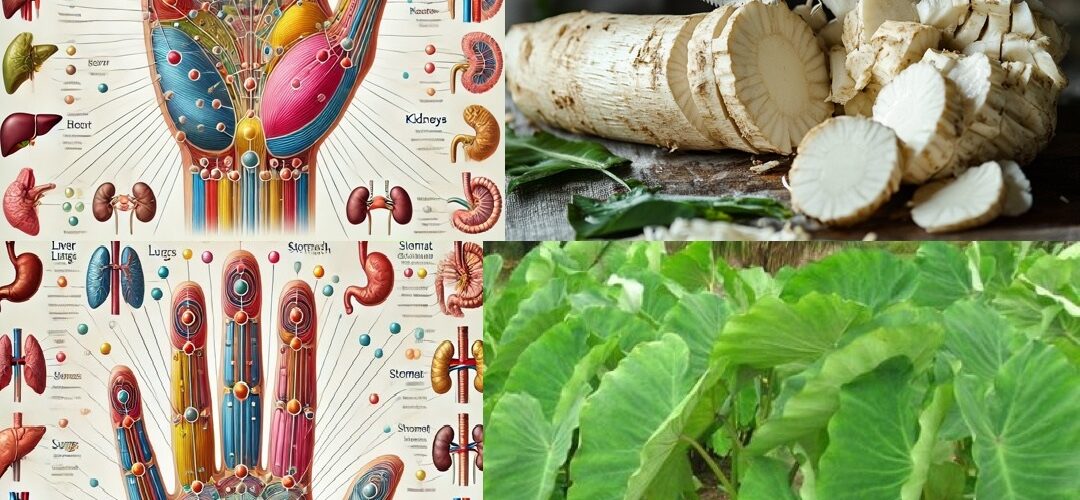

Taro (Colocasia esculenta), known for its broad, heart-shaped leaves and starchy edible bulb, has been an essential part of the diet of tropical and subtropical regions for millennia. Renowned for its rich nutritional profile and culinary versatility, taro is much more than just a source of carbohydrates: its root and other parts offer a multitude of health benefits that contribute to overall well-being. While the bulb remains the star, the leaves and stems are also valued in various cultures for their unique contributions to health and cooking.
Nutritional Profile and Benefits of Taro Root
Taro root is packed with essential nutrients, making it a valuable addition to a balanced diet. Here are its top 10 health benefits:
- Rich in dietary fiber Taro root is an excellent source of fiber, which aids digestion, promotes gut health, and helps you feel fuller for longer. This makes it an ideal food for weight management.
- Taro root is rich in vitamins and minerals, including vitamin E, vitamin B6, vitamin C, potassium, magnesium, and manganese. These nutrients support energy metabolism, cardiovascular health, and immune function.
- Supports Heart Health The potassium in taro root helps regulate blood pressure by balancing sodium levels, reducing pressure on the cardiovascular system.
- Sustained Energy As a complex carbohydrate, taro provides a constant release of energy, helping you stay active and energized throughout the day.
- Boosts Immune Function The vitamin C content of taro supports immune health, helping the body fight disease and maintain overall well-being.
- Antioxidant Protection The antioxidants in taro root fight oxidative stress, reduce inflammation, and promote healthier skin and tissue.
- Regulates blood sugar Rich in fiber, taro root slows down the absorption of carbohydrates, thus stabilizing blood sugar levels. This is especially beneficial for people with diabetes.
- Promotes bone health The magnesium and calcium in taro root contribute to strong and dense bones, reducing the risk of osteoporosis.
- Improves cognitive health Vitamin E and antioxidants protect brain cells from oxidative damage, supporting cognitive function and potentially reducing age-related decline.
- Helps with weight management The combination of fiber and slow-digesting carbohydrates keeps you feeling fuller for longer, reducing overall calorie intake and aiding in weight control efforts.
Culinary Uses and Applications
The versatility of taro root in cooking makes it a staple ingredient in many cuisines. Here are some of the most popular ways to prepare and enjoy it:
- Boiled or steamed taro Peel the taro root and cook it until tender. It can be seasoned and served as a nutritious side dish.
- Mashed Taro Mash boiled taro with butter, coconut oil, or spices for a delicious alternative to mashed potatoes.
- French Fries or Taro Chips Cut the root into thin slices, season it, and bake or fry it for a crunchy snack that rivals potato chips.
- Taro in Soups and Stews Add cubed taro to soups or stews for a hearty, nourishing texture that complements other ingredients.
- Desserts and sweets In many cultures, taro is used in desserts, such as taro pudding or sweet taro balls, providing a unique flavor and creamy texture.
Safety tip: Always cook taro thoroughly. Raw taro contains calcium oxalate, which can irritate the throat and digestive system if not neutralized by cooking.
Beyond the root: discovering the leaves and stems of the taro
Although taro root is the main element, the leaves and stems of the plant are also eaten in various cuisines, offering their own set of benefits:
- The nutritional properties of taro leaves Properly cooked taro leaves are rich in beta-carotene, a precursor to vitamin A that promotes healthy eyesight. They also contain other antioxidants and nutrients that improve overall health.
- Culinary Uses In many cultures, taro leaves are used in stews, curries, and wraps. For example, dishes like Hawaiian laulau (meat or fish wrapped in taro leaves) illustrate their versatility.
- Like the root, taro leaves should be cooked thoroughly to remove potentially irritating compounds such as calcium oxalate.
Why choose Taro?
Taro’s impressive nutritional profile and culinary adaptability make it a powerful food for health and cooking enthusiasts. Here’s why it stands out:
- Long-lasting source of energy Taro’s complex carbohydrates provide long-lasting energy, making it ideal for athletes, active people, and anyone in need of a reliable source of energy.
- Rich in essential nutrients Few other roots offer the same combination of vitamins, minerals, and antioxidants, making taro a nutrient-dense choice.
- Cultural Heritage Beyond its health benefits, taro has cultural significance in many regions, symbolizing abundance, food, and tradition.
Conclusion
Taro (Colocasia esculenta) is much more than just a starchy root: it’s a source of nutrients that support digestion, heart health, immune function, and much more. Its culinary versatility allows it to shine in savory dishes, snacks, and even desserts, while its leaves and stems add an extra layer of nutrition and flavor when properly prepared.
Whether you like comforting pureed taro, crispy chips, or as a side dish for soups, this ancient plant has something for everyone. Just make sure you cook it well to get the most out of it and ensure it’s safe.
Disclaimer: While taro is a nutritious and versatile food, people with dietary restrictions or health conditions should consult a health care professional before incorporating it into their diet.
Feeling inspired? Share the benefits of taro with your friends and family!