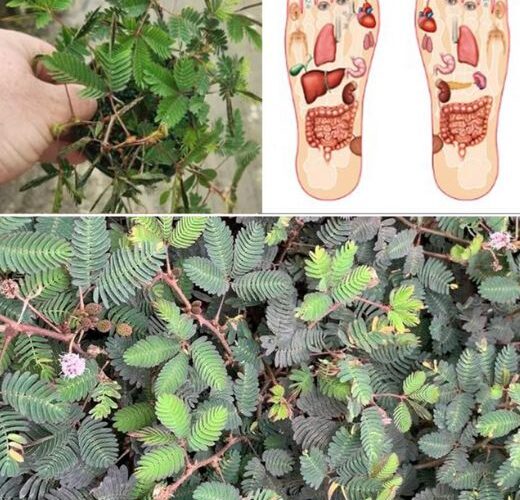
Mimosa pudica, commonly known as the “sensitive plant” or “touch-me-not,” is a fascinating herb recognized for its ability to fold its leaves when touched. However, beyond its unique and captivating physical feature, Mimosa pudica has been used for centuries in traditional medicine due to its impressive medicinal properties. This plant provides numerous health benefits, ranging from supporting digestive health to promoting skin healing. Let’s take a closer look at the medicinal value and uses of Mimosa pudica.
Medicinal Properties of Mimosa Pudica
- Antimicrobial:
Mimosa pudica has potent antimicrobial properties that help fight off bacterial and fungal infections, making it useful in treating a variety of health issues related to infections. - Anti-inflammatory:
Known for its anti-inflammatory effects, Mimosa pudica is often used to reduce swelling and pain, especially in arthritis and joint pain. It can also help with other inflammatory conditions. - Antioxidant:
The plant is rich in antioxidants that help protect the body from oxidative stress, reducing the risk of chronic diseases and slowing down the aging process. - Astringent:
Mimosa pudica has astringent properties, which help tighten tissues and stop bleeding, making it an excellent natural remedy for wound healing. - Antiparasitic:
This plant is widely used in Ayurvedic medicine to expel intestinal parasites such as tapeworms and roundworms, promoting better digestive health. - Sedative:
Mimosa pudica has mild sedative properties, making it useful for calming the nervous system, reducing anxiety, and improving sleep quality. - Antidiarrheal:
This plant can also help treat diarrhea by strengthening the intestines and reducing fluid loss, promoting a healthier digestive system.
Medicinal Uses of Mimosa Pudica
1. Wound Healing and Skin Infections
Mimosa pudica is widely known for its ability to accelerate wound healing. Its antibacterial and anti-inflammatory properties make it effective for treating cuts, burns, and skin infections. The leaves can be crushed into a paste and applied directly to the wound for quick recovery.
- Why It Works:
- The astringent nature helps to stop bleeding.
- Antimicrobial compounds prevent infection and speed up the healing process.
2. Supports Digestive Health
Mimosa pudica is commonly used to treat digestive disorders like diarrhea and irritable bowel syndrome (IBS). The plant’s antidiarrheal properties help strengthen the intestines and prevent excess fluid loss. Additionally, Mimosa pudica can expel intestinal parasites, improving gut health.
- Why It Works:
- Strengthens the intestines to reduce symptoms of diarrhea.
- Expels intestinal parasites and promotes healthier digestion.
3. Expels Intestinal Parasites
The seeds of Mimosa pudica are especially known for their antiparasitic effects. In traditional medicine, the seeds are used to remove intestinal worms, such as tapeworms and roundworms. The active compounds in the plant paralyze and expel these parasites from the body.
- Why It Works:
- Effective against intestinal parasites, particularly in children.
- Helps cleanse the digestive system by removing harmful toxins and pathogens.
4. Reduces Inflammation and Pain
Due to its anti-inflammatory properties, Mimosa pudica is often used to treat conditions like arthritis, joint pain, and muscle soreness. The plant can be consumed as a tea or applied topically as a paste to reduce swelling and discomfort.
- Why It Works:
- Reduces joint inflammation and relieves pain.
- Can be applied topically for muscle pain and swelling.
5. Improves Respiratory Health
In traditional medicine, Mimosa pudica is used to treat respiratory conditions like asthma, bronchitis, and chronic cough. Its anti-inflammatory and expectorant properties help clear mucus from the airways, making it easier to breathe and improving lung health.
- Why It Works:
- Acts as a natural expectorant, helping clear mucus from the respiratory tract.
- Reduces inflammation in the airways, which helps alleviate asthma and bronchitis symptoms.
How to Use Mimosa Pudica
- Mimosa Pudica Tea:
Boil a few Mimosa pudica leaves in water for 10-15 minutes to create a tea. This tea offers anti-inflammatory and digestive benefits. - Topical Paste:
Crush fresh Mimosa pudica leaves into a paste and apply directly to wounds, cuts, or inflamed areas to speed up healing and reduce swelling. - Mimosa Pudica Powder:
Grind the seeds into a powder and consume in capsules or mix with water to help expel parasites and promote digestive health. - Tinctures:
Mimosa pudica tinctures are available in health food stores and can be taken orally to promote general wellness.
Mimosa pudica is more than just a plant with an interesting characteristic. Its antimicrobial, anti-inflammatory, and antiparasitic properties make it a highly valuable herb in natural medicine. Whether you are looking to treat wounds, improve digestive health, or calm your mind, Mimosa pudica offers a variety of effective and natural health solutions. As always, consult with a healthcare professional before adding any herbal remedy to your routine, especially if you are pregnant, nursing, or have pre-existing health conditions.
For more information on the health benefits of herbs and tips for natural remedies, be sure to explore our other articles on wellness. Don’t forget to subscribe to our page, like, and share this article with your friends and family!