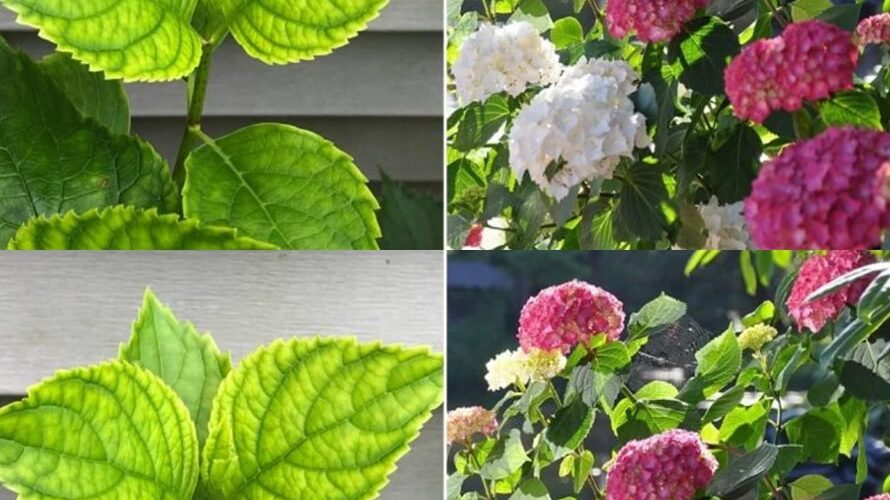
Hydrangeas can decorate the garden for weeks thanks to their incredible flower life. Their propagation is surprisingly simple and accessible to all.
How to Propagate Hydrangeas with Leaf Cuttings
Hydrangeas are beautiful, richly flowering shrubs that can add color and charm to any garden. One of the easiest and cheapest ways to multiply these plants is through propagation of leaf cuttings. However, it is important to follow some rules. Spring or early summer are the best times to take cuttings. Look for healthy, unflowered shoots, about 8 centimeters long, with several leaves. Be sure to cut just below the leaf node, where new roots will form.
You can also use a single hydrangea leaf directly, split it in half. Before planting the cutting, remove the lower leaves and cut off its tip so that only two or three leaves remain. It is not necessary to treat the leaf directly. Next, dip the cut end of the cutting or the leaf itself in powdered vitamin C to stimulate root growth. Leave the cutting to soak for 15 minutes. Next, mix the remaining vitamin C in water and use it later as irrigation.
Where to Plant Hydrangea Cuttings
Fill a small pot with a well-draining mixture of sand, peat moss and perlite. Next, gently plant the cuttings in the previously prepared holes and compact the soil around them to eliminate any air bubbles. Water abundantly and cover the pot with a plastic bag to create the greenhouse effect.
Place the pot in a warm, bright place, but avoid direct sunlight. Check the soil regularly and water as needed, keeping it moist but not overly wet. Once roots have formed on the seedlings (usually within 4-6 weeks), remove the plastic bag and allow the cuttings to acclimate to their new surroundings.
When to Transplant Small Hydrangeas
Once the new plant has developed a solid root system, you can transplant it into a larger pot or directly into the garden. Be sure to choose a location with well-drained soil and abundant sunlight. However, carefully consider the right time. If you live in an area with harsh winters, plant young hydrangeas outdoors only the following spring. This will allow the plants to grow and strengthen throughout the growing season, almost certainly ensuring their success before the first cold winter weather arrives.
In conclusion, propagating hydrangeas through cuttings is a simple and effective way to bring more of these beautiful flowering shrubs into your garden with minimal investment. It’s definitely worth putting in a little effort to enrich your green area.