Is recovering the contents of your filters, pods, espresso machine or percolator handles a good idea? The point in 10 questions.
Coffee grounds keep aphids away: True
Laurent Bourgeois, nurseryman, testifies: “We use it primarily on outdoor aromatics which are very attractive to these critters, such as wormwood and artemisia, in particular the lemon-scented aurone or arquebus (Artemisia abrotanum) . We sprinkle it on the surface at the base of the plant, at least 20 to 25 cm wide (the diameter of a plate) and 5 mm thick, in order to create a repellent mulch. It lasts several months. We then renew it.”
Coffee grounds act on slugs: True
Due to the rough texture of its powder which makes it difficult for them to slide, in the same way as wood ash. Think about it for your strawberries (another complementary solution: pine needles!). The trick is not infallible, however. The marc would also have an impact on the trajectory of ants and attacks by carrot flies, mole crickets and wireworms.
Coffee grounds are harmless to our pets: False
For our four-legged friends, caffeine is toxic. The value of 8 c. of coffee would be enough to poison a cat or a small dog. Caution therefore remains necessary with your companions.
Coffee grounds are a fertilizer: True/False
Marc contains nitrogen, copper, magnesium, phosphorus and potassium. It is said to “fertilize the earth.” “It alone is not enough to fertilize plants, but it does provide interesting trace elements,” Laurent tells us.
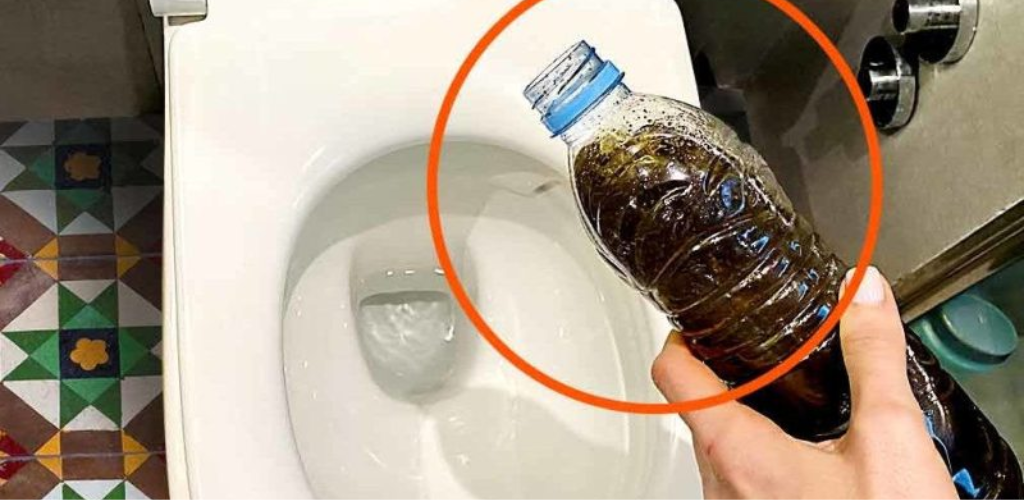
Coffee grounds help eliminate bad odors from toilets: True
It’s very simple: put five to six tablespoons of coffee grounds in a liter of lukewarm water. Mix well, then pour the product into the toilet and leave to act for a few minutes. Then rinse!
This method eliminates all the unpleasant odors that usually come from the toilet. In order to maintain the results, simply do it every ten to twelve days.
Coffee grounds improve the earth: True
It lightens earthy mixtures. By incorporating marc into the ready-to-use potting soil in your planters and pots, you will prevent the formation of a waterproof crust on the surface, compacted by successive waterings. Thanks to the marc, rain or watering water will penetrate deeper, to the heart of the clods. Your plants will thus be better hydrated, more beautiful and more resistant to drought.
Limestone plants love pomace: False
Limestone plants love pomace. Its pH being close to 6.2, “if you add too much, it acidifies the soil,” explains Christophe Savigny, artisan roaster.

Coffee grounds are good for compost: True
Placing the marc on the pile is what Jean-Marc Parra, nurseryman at Ah! The Flavor Farm.
Purists will also place ecological brown paper filters there.

Coffee grounds make hands softer: True
This natural exfoliant allows, thanks to its small grains, to gently sand the skin in order to remove embedded traces (earth, green leaves, etc.). If you make your own soaps, remember to add several spoonfuls to the mixture of oils and soda.
The marc prevents the earth from freezing: False
This is a popular belief. Fermentation is not enough to warm the soil. But good news, Christophe Savigny tells us that: “The coffee beans are surrounded by parchment: parchment, a kind of plant placenta which, if it remained around the bean during roasting, would give the coffee a harsh taste and almost undrinkable. The parchment is therefore eliminated by us using a hot air current system. We pick her up in a separate room. Our friends find that these parchments spread like a carpet on the ground constitute a very effective mulch, both to keep the humidity of the earth and to prevent frost.
Moral: to mulch against the cold, you have to use this envelope much better than coffee grounds.
All coffee grounds are equal: False
If “the best coffee is always the one that has just been ground and made immediately” (Christophe is clear on the subject), because “we cannot block its degradation, even in the capsules”, the best Marc is undoubtedly the one that comes from quality coffee without additives, such as those that make foam. Ideally organic for purists.
The question of price and recovery time also comes into play: “At 35 euro cents (minimum) for 5 grams of coffee in pods, do the math. This costs you at least 70 euros per kilo of coffee! As for the chore of opening the capsules with a cutter to recover the grounds, isn’t it simpler, when you want to recycle this precious by-product in the garden, to go back to good old machines or paper filters?