
Sometimes it is difficult to get rid of the humidity that appears on the walls of our homes. In addition to altering walls and ceilings, it also affects our health. And for good reason, the higher the humidity, the more the air quality suffers. As you may have understood, letting mold thrive means living in an environment that is unhealthy. Here is a simple and effective trick to remove them from your walls.
A high level of humidity can cause traces of mold on the joints or walls, a condensation problem on the windows or the peeling of your wallpapers. Knowing that a variation of 45% to 65% in the humidity level is considered normal, the humidity problem begins when it exceeds these values. Not only does this affect the appearance of your walls, but high humidity can affect their health.
To solve the problem without spending too much, we show you a trick that stands out for its simplicity, accessibility and, above all, for its effectiveness. But before that, it is up to us to detect the origin of the appearance of mold.
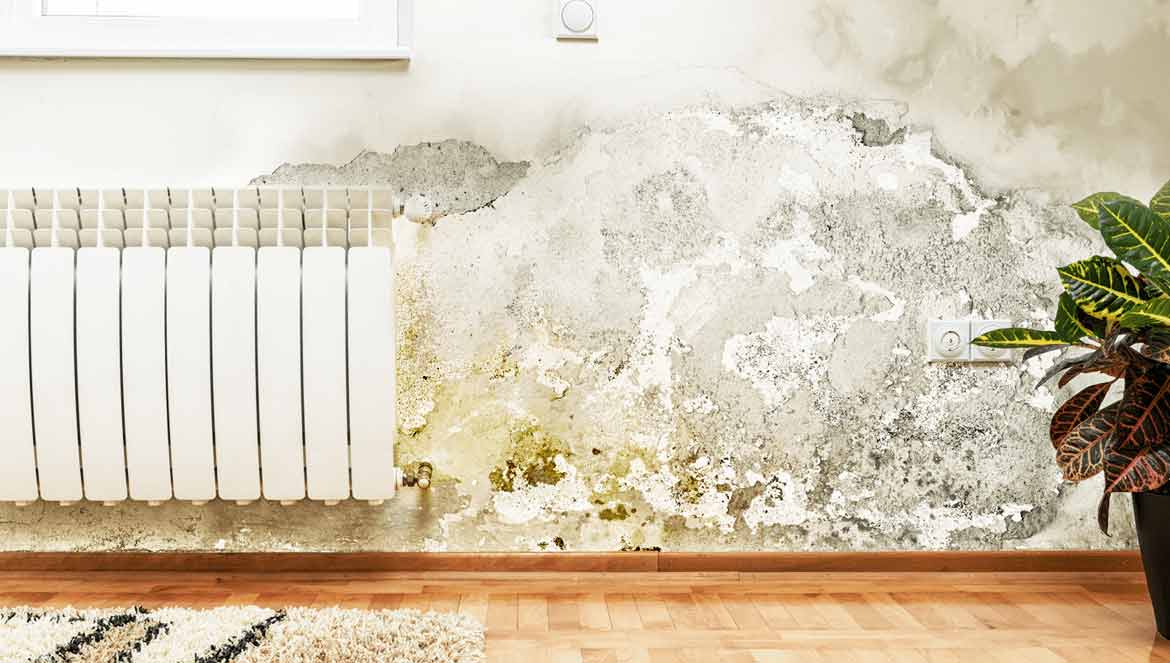
Possible causes of humidity
The source of the problem must be addressed first before resolving it. Here are the recurring causes and their solutions, some of which you can do yourself.
External causes: If the exterior insulation of the house is poor, the advice of a bricklayer can be sought to check the exterior wall coverings. If it is a problem of capillary rise (moisture rising from the floor to the wall), you will need the intervention of a professional to examine the problem. This will determine whether to act on the foundations, inject resin, install drains or divert rainwater. In cases where you have roof leaks, it may be necessary to treat the roof waterproofing.
Localized (internal) causes: If the causes are less drastic than those mentioned above, you can try to identify the cause of moisture infiltration in your wall. If you locate a leak or leak, you can repair it yourself or seek professional help. Additionally, if this is a problem inherent to sensitive rooms, such as sanitary facilities and basements, consider means of drying the air, such as the ventilation system or moisture absorber.
You should also know that it is also not recommended to dry clothes indoors at the risk of causing respiratory diseases, especially for those who suffer from asthma.
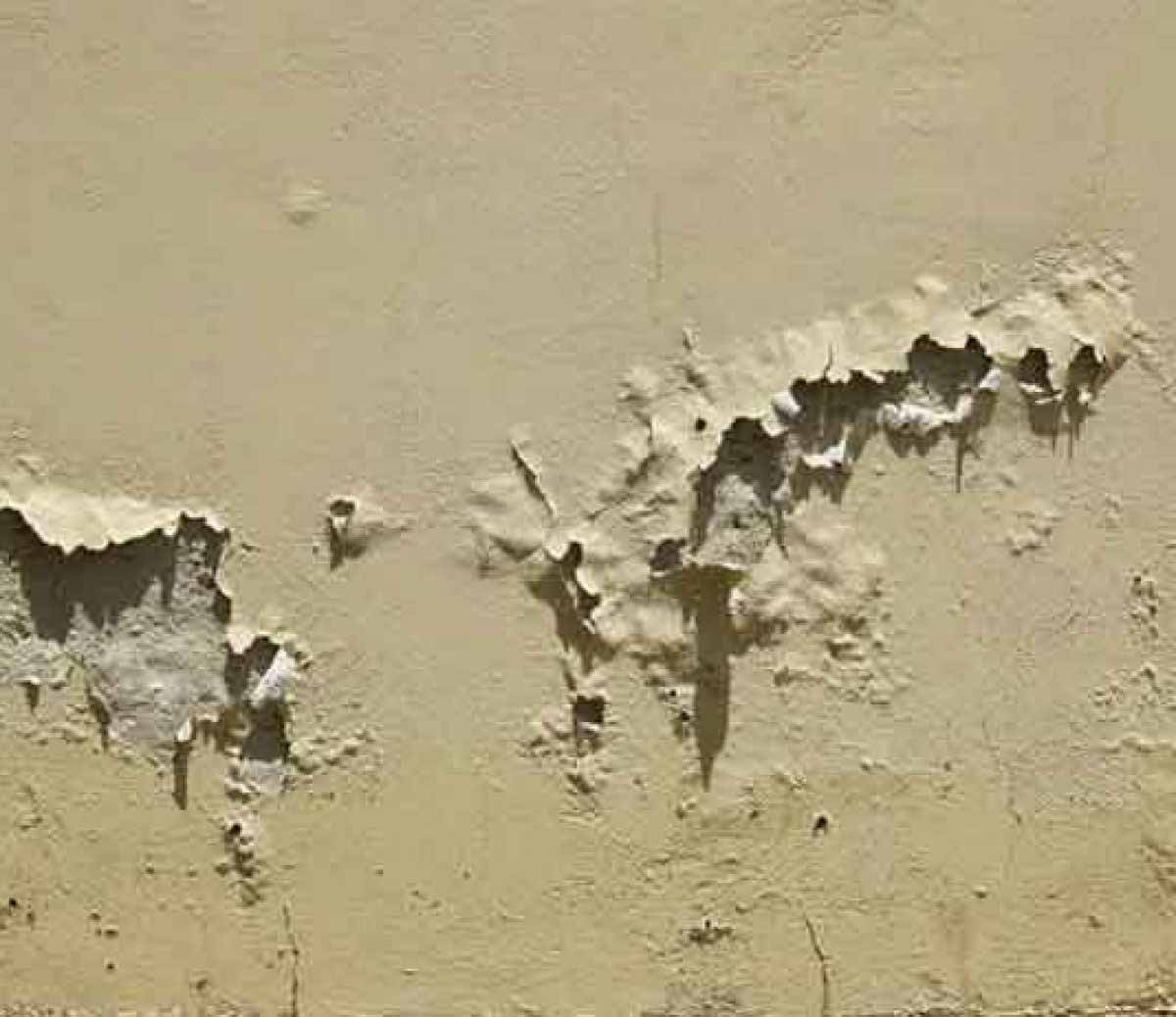
Tip for treating a wall subject to humidity
Paint a wet wall
Now that you have been able to identify the cause of the appearance of traces of moisture, you can move on to repair this problem. To start, do a first cleaning of mold and salt. To do this, use gloves and a brush. Thoroughly wet the wall surface with a diluted white vinegar solution and scrub. Leave for 30 minutes or more and then rinse the surface with clean warm water. After 2 hours, the wall drying time, apply a layer of smoothing if you consider it necessary.
To avoid moisture spots, apply a primer before switching to a moisture-resistant paint designed for rooms like bathrooms or damp basements. In another context, you can also combat mold in the washing machine drawer with a clever trick.
Natural alternatives to moisture absorbers
There are natural dehumidifiers that can be used in conjunction with vents and VMC (controlled mechanical ventilation). They are ingredients at hand such as coarse cooking salt or charcoal. It is also possible to absorb and clean the surrounding air by installing houseplants in your home . And for good reason, the water contained in the air serves as food for them. Remember to install them in rooms prone to humidity. If your clothes have also been stained with mold, here are 5 homemade recipes to eliminate them.